
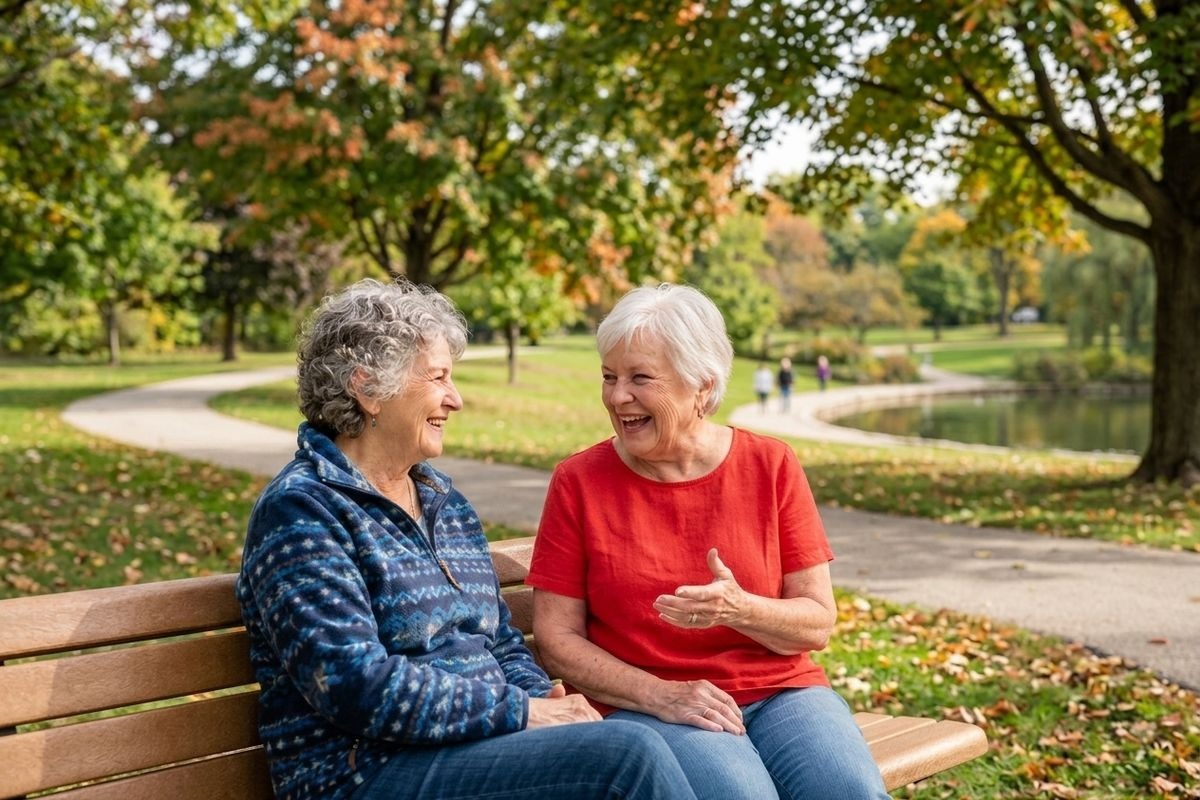
Key Takeaways
- Friendships help new residents settle in and feel at ease more quickly.
- Making connections can feel slow at first, and that’s completely normal.
- Buddy pairings, meal introductions, and clubs give you natural ways to meet people.
- Care teams offer gentle check-ins across assisted living, memory care, and behavioral health.
- Video chats keep longtime friends and faraway family close.
- Families can encourage new connections without pushing.
Why New Connections Matter So Much After a Move
You’ve packed the boxes, sorted the photo albums, and said goodbye to the neighbor who always waved from the driveway. Now you’re somewhere new, and the hallway faces are unfamiliar. That’s a lot to carry in a single week.
Friendship is what turns a new community into a place you feel good about waking up in, and the team at Frontida Willowgreen Assisted Living works to make those introductions happen naturally through life enrichment programming and everyday moments.
Why Friendship Matters After a Move
Social ties support healthy aging in ways that show up in small daily moments. Someone saves you a seat at breakfast. Someone notices you got your hair cut. Someone tells a joke you’re still laughing about at dinner.
Those shared routines build rhythm into your day. And familiar faces make the adjustment period feel far less strange. Within a few weeks, the hallway that once felt long and quiet becomes the place where you stop to chat three times before you reach your door. Staying socially connected supports well-being in real, everyday ways.
What Makes New Friendships Feel Hard at First
Leaving longtime neighbors and familiar routines behind is genuinely hard. You may have known those folks for 30 years. Starting over socially can feel like a tall order at any age.
Quieter personalities often prefer a few deep bonds over a wide circle, and that’s a perfectly good way to live. Residents who are recently single may also feel unsure about how to socialize on their own again. There’s no wrong way to feel about any of it, and a few thoughtful choices during the move itself can smooth the way.
Everyone Adjusts on a Different Timeline
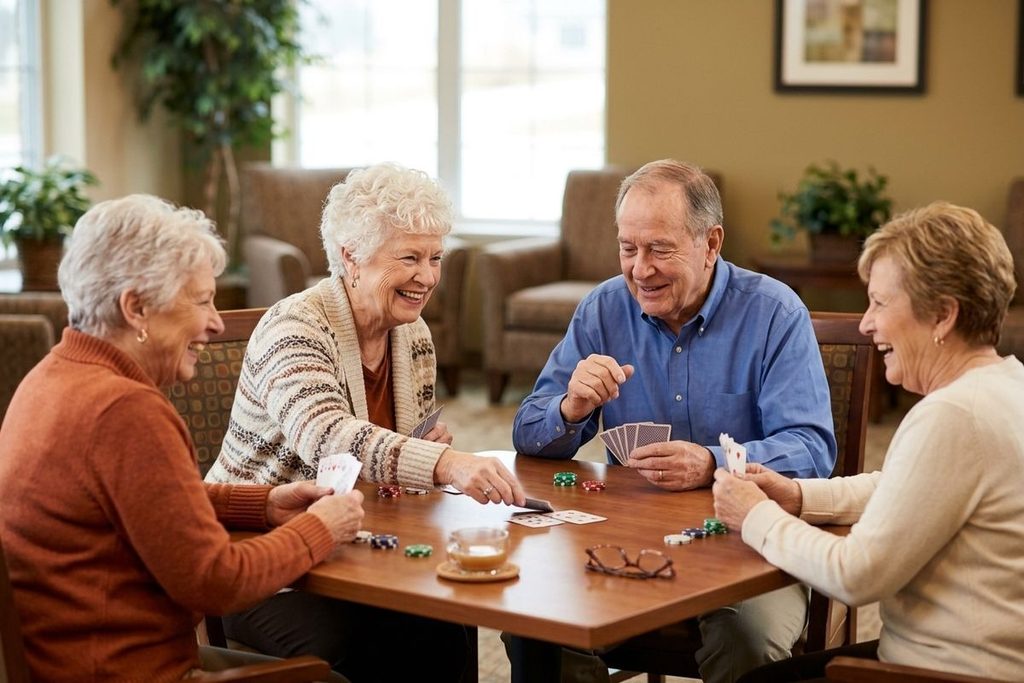
There’s no one-size-fits-all welcome at Willowgreen. Some residents join a card game on their second afternoon, while others watch from a comfortable chair for two weeks before saying much at all.
Your preferences are respected from day one. If you’d rather ease in slowly, the team can help you do exactly that.
How the Team Welcomes New Residents
Getting acquainted starts before move-in day. Team members ask about your background, what you like to do on a Saturday, and whether you’d rather talk gardening or football. That way, introductions have somewhere to go.
New residents are often paired with a current resident, a friendly buddy who knows where the coffee is and which club meets on Tuesdays. Beyond that, the team makes introductions during meals, at club meetings, and at community gatherings, so you’re never left figuring out the room by yourself.
Support Across Assisted Living, Memory Care, and Behavioral Health
Care teams pay attention. If someone seems to be spending more time alone than usual, a caregiver notices and stops by. That kind of attentiveness sits at the heart of assisted living and behavioral health support alike.
Gentle check-ins and personal invitations make a real difference. A quiet knock and a warm invitation to come sit and listen to music in the lounge is often all it takes.
Simple Ways to Meet People in a Senior Living Community
- Show up regularly to 1 or 2 activities. Repetition matters more than variety, because the same friendly faces keep appearing.
- Ask open questions and listen closely. “Where did you grow up?” tends to open more doors than a comment about the weather.
- Return invitations and stay patient. If someone asks you to lunch, ask them back, and give friendships a few weeks to warm up.
Clubs, Classes, and Shared Interests
Shared interests do a lot of the work for you. Book groups, gardening, walking circles, and card tables all give you something to talk about before you know each other well.
And if nothing on the calendar fits, you can start something. A puzzle table, a hymn sing, a Friday morning coffee klatch, the team can help you get it going. Even art activities can bring a table full of neighbors together.
Video Chats That Keep Old Friends Close
New friendships don’t replace longtime ones. A weekly video call with a daughter in Milwaukee or a friend from your old church keeps those relationships steady.
Blending both circles works beautifully. Plenty of residents introduce their grandchildren to their new lunch companions right on the screen.
Friendships Across Generations and How Families Can Help
Some of the liveliest afternoons happen when younger visitors come through. Grandkids, volunteers, and neighbors bring fresh energy, and the stories get traded in both directions.
Adult children play a real role here, too. Encouragement helps far more than pressure. Try asking which activity sounded interesting this week rather than urging your parent to sign up for everything.
You can also share a little about your parent’s history with the team. Knowing that your mom taught 4th grade for three decades gives everyone a place to start, and it helps shape a personalized care plan that fits her.
Connection at Every Chapter of Senior Care
Small, steady efforts add up. One conversation at breakfast, one card game, one shared laugh in the hallway, and suddenly the place feels familiar. The team at Frontida Willowgreen Assisted Living is glad to walk alongside you through that adjustment, whether you’re looking at assisted living, memory care, or behavioral health support.
Frontida communities across Wisconsin welcome new residents warmly. During a tour, feel free to ask how buddy pairings work, what clubs residents run themselves, and how the team helps someone who’s feeling shy. Reach out anytime to schedule a visit and see the community for yourself.