
Key Takeaways
- Falls often come from natural changes in balance, vision, and strength, plus everyday hazards like rugs and icy sidewalks.
- Assisted living offers grab bars, bright hallways, and a caring team available 24 hours a day.
- Personalized care plans and medication help can lower your fall risk over time.
- Gentle exercise and balanced meals help you stay strong and steady.
How Assisted Living Can Lower Your Risk of Falls
Maybe you’ve caught yourself reaching for the kitchen counter a little more often lately. Or perhaps your family has started asking how the stairs feel on laundry day. These small moments are normal, and they’re worth noticing. At Frontida Willowgreen Assisted Living, the team sees them as a chance to help.
Assisted living helps prevent falls and injuries by pairing safer spaces with a caring team, personalized support, and daily routines that keep you strong and active. That means you can keep doing what you love, with help close by whenever you’d like it.
Why Falls Happen as You Age
Common Causes of Falls
As you age, your body naturally changes in ways that can affect how steady you feel. Here are a few common causes.
- Natural changes in your balance, strength, and reflexes
- Vision or hearing changes that hide small hazards
- Medication side effects like dizziness or drowsiness
Everyday Hazards to Watch For
A curled rug corner, a cord across the hallway, or a dim staircase at night can catch your foot.
Wet shower floors can feel slick, too. And here in Wisconsin, winter brings icy stairs and sidewalks, so even a quick trip to the mailbox can feel tricky.
Signs Extra Support Could Help
Your body often gives gentle hints when a little more support could make life easier. You might notice these signs.
- Frequent stumbles or near falls
- Trouble with stairs or getting out of bed
- Leaning on furniture for support more often
Spotting these signs early gives you and your family time to explore options together, without any rush.
How Assisted Living Supports Your Safety Every Day
A Thoughtful Layout for Easier Movement
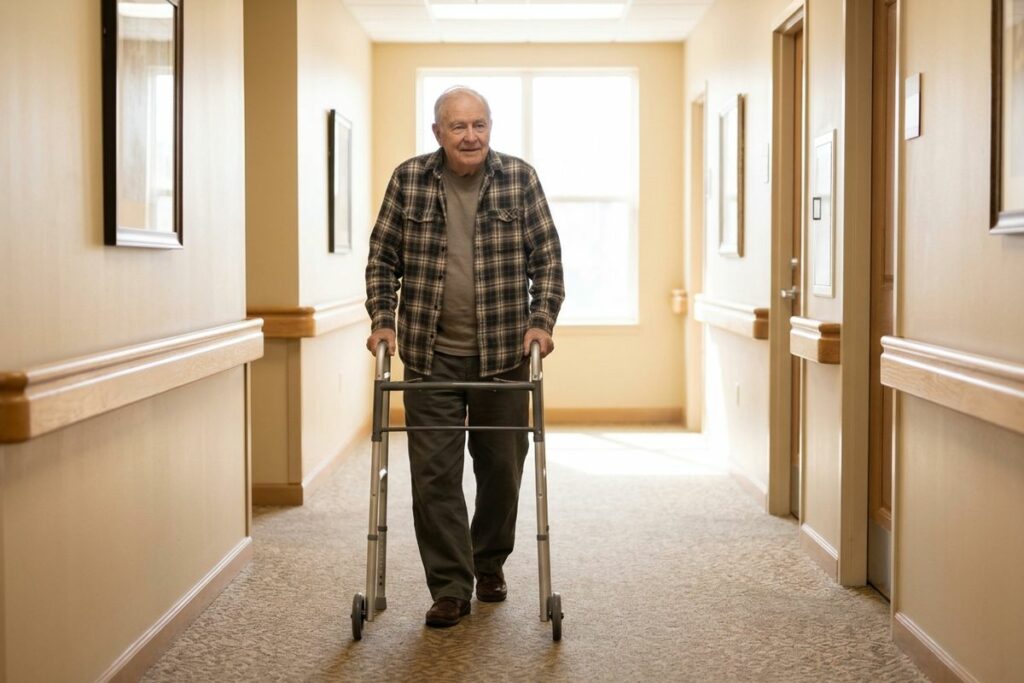
In assisted living, the spaces around you are designed with easy movement in mind. Grab bars sit right where your hand reaches in the shower. Handrails line the hallways, and non-slip surfaces help your feet stay planted.
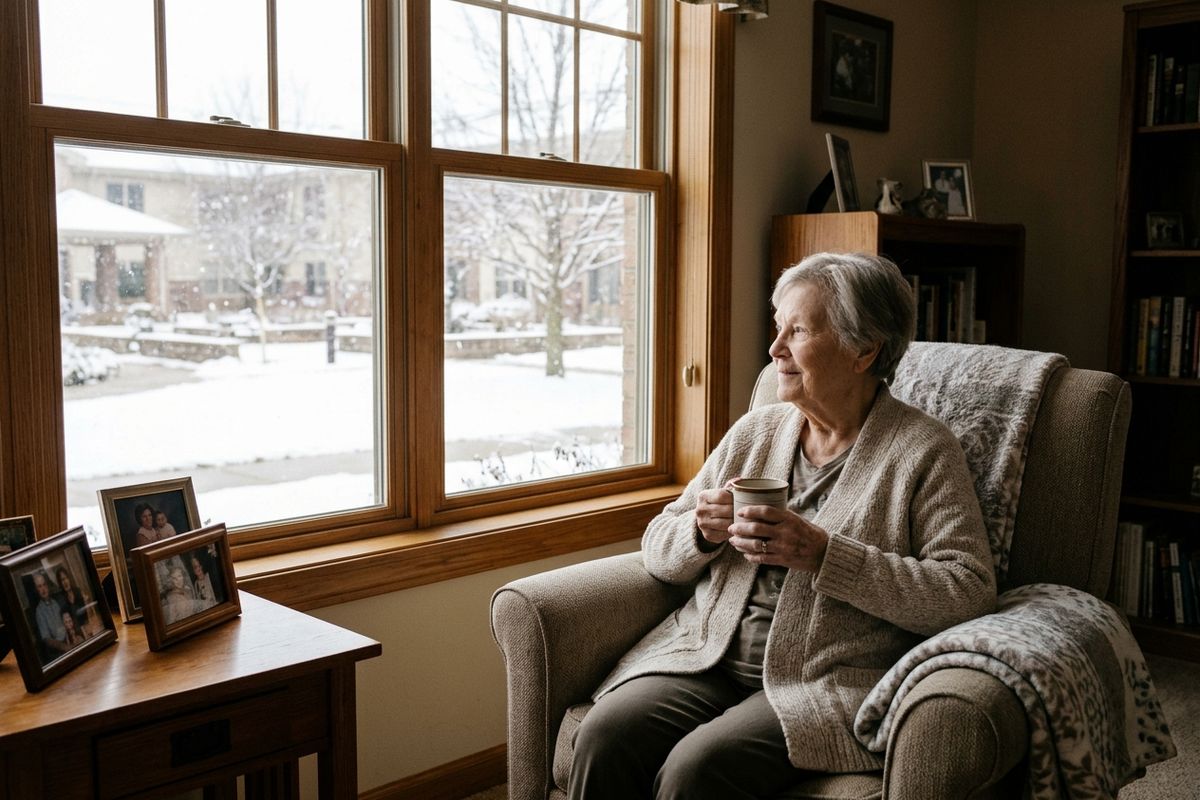
Bright, well-lit hallways and shared spaces help you see clearly, day or night. Plus, you can say goodbye to ladders, steep stairs, and snow shoveling. When the first big snow arrives, you can watch it fall from a cozy chair with a warm mug in hand.
A Kind Team Available Around the Clock
Help is available 24 hours a day, 7 days a week. The caregiving team can support you with bathing, dressing, and getting around, so mornings feel relaxed instead of rushed.
Team members also offer gentle reminders to use your cane or walker. That small nudge on the way to breakfast can help you stay steady without anyone hovering.
Personalized Senior Care That Lowers Your Fall Risk
Care Plans That Grow With You
When you first move in, the team completes a fall risk check to learn how you move and where a little support could help.
As your health or needs change, the team updates your plan and shares clear updates with you and your family. For example, if mornings start to feel wobbly, your plan might add a little extra help with showers and dressing.
Medication Management and Health Checks
The team helps you take your medications on time, as prescribed, so your day starts smoothly.
Caregivers also watch for new dizziness or unsteadiness and keep you and your family in the loop. They can remind you about routine vision and hearing checkups, too.
Extra Support Through Memory Care and Behavioral Health
Memory care offers extra structure throughout the day, with familiar routines that help residents feel calm as they move about.
Behavioral Health support is tailored to each resident. Calm, predictable daily routines can make movement feel safer and more comfortable for everyone.
Activities and Meals That Help You Stay Strong
Exercises for Balance and Strength
Staying active is one of the most enjoyable ways to feel steady. Many senior living communities offer options like these.
- Chair exercises and gentle stretches
- Sit-to-stand moves and heel-to-toe walks
- Group walks that make movement social and fun
Over time, rising from a chair can feel smoother, and walks with friends can stretch a little farther.
Nutrition and Hydration for Steady Steps
What’s on your plate matters, too. Balanced meals with protein, calcium, and vitamin D give your body the fuel it needs to stay active. Think scrambled eggs at breakfast or a glass of milk with lunch.
Fresh water is easy to grab throughout your day. With steady energy from good meals, you can enjoy activities safely and keep up with the things you love.
Feel Safer and More Supported in Senior Living
Safer spaces, a caring team, and personalized support work together to help you feel steady and secure. Your independence is respected, with help close by whenever you’d like it.
At Frontida Willowgreen Assisted Living in Racine, the team would love to meet you and your family. Schedule a visit, look around, and bring any questions you have. A friendly conversation is a wonderful place to start.